
Field Notes · July 6, 2026 · 6 min · By Zachariah Pohl
Why a healing sunburn itches, and how to calm it
Late-stage itch, including the infamous hell's itch, is part of repair. Here is what helps and what makes it worse.
The redness fades, the sting settles, and just when a sunburn seems to be behind you, the itching starts. For most people it is a maddening but minor phase of healing. For an unlucky few it escalates into something with its own folk name, hell's itch, that regularly sends grown adults searching the internet at two in the morning. Both versions have explanations, and both have better answers than scratching.
The ordinary itch is a byproduct of repair. A few days after a burn, the damaged outer skin begins to shed while new skin forms underneath, the peeling stage described in how your skin heals after a sunburn. That regenerating skin is dry, its barrier is immature, and the inflammatory chemicals still present, including histamine, are direct triggers of itch nerves. Add the mechanical tickle of lifting flakes of peeling skin and you get the classic week-after itch: diffuse, surface-level, and worse when the skin is hot or dry.
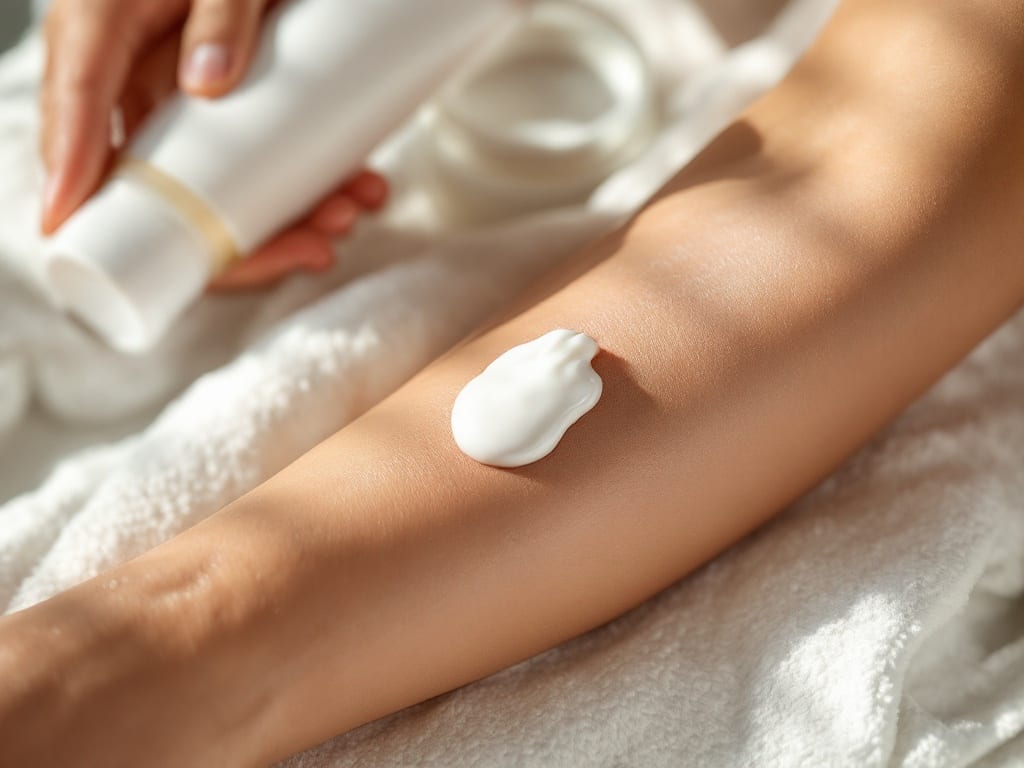
Calming it is mostly about moisture and temperature. Apply a plain, fragrance-free moisturizer generously and often, especially after bathing; a product with colloidal oatmeal earns its reputation here, and a cool bath with colloidal oatmeal dissolved in it soothes larger areas. Keep showers short and lukewarm, since hot water strips the barrier and amplifies itch for hours. An oral antihistamine can quiet the histamine component, particularly at night, and a short course of over-the-counter 1 percent hydrocortisone helps stubborn patches. What you should not do is exfoliate, scrub, or peel the flaking skin away; picking at it prolongs healing and risks scarring, and scratching hard enough to break skin invites infection.
Hell's itch is a different animal. It typically arrives 24 to 72 hours after the burn, most often on the shoulders or upper back, and people describe it as deep, throbbing, wave-like itching and pain that ordinary scratching does not touch, severe enough to interfere with sleep and concentration. It appears to be uncommon, underreported, and only thinly studied; the medical literature on it is mostly case reports, and one published hypothesis proposes it is a form of neurogenic inflammation, meaning the burn has irritated the nerves themselves, which fits how poorly it responds to surface remedies (see the proposed pathophysiology on PubMed).
If it happens to you, the most useful framing is that it is temporary, typically burning itself out within one to three days, and that layered relief works better than any single fix. Oral NSAIDs like ibuprofen address the inflammatory and pain component, an oral antihistamine covers the histamine side, cool compresses or cool showers interrupt the worst waves, and moisturizer supports the skin doing the repairing. Some sufferers report that heat, tight clothing, and scratching set off new waves, so loose cover and a cool room matter more than usual. General itch guidance from MedlinePlus applies here too, including the advice to keep nails short while it lasts (see medlineplus.gov).
A healing itch is usually a good sign, but not always. Spreading redness, warmth, swelling, pus, or red streaks mean possible infection rather than repair, and itching accompanied by hives, facial swelling, fever, or feeling systemically unwell deserves medical evaluation, especially in the territory covered by when a sunburn becomes a medical issue. And if severe post-sun itching happens to you repeatedly, mention it to a dermatologist; a pattern of intense reactions to modest sun is worth investigating rather than enduring every summer.
The honest summary is that itch is the tail end of a burn you already paid for. Moisturize relentlessly, cool the skin, medicate the worst of it, keep your hands off the peeling, and let the repair finish. Then put the energy where it changes the outcome: the sun protection habits that keep the next burn, and the next itch, from happening at all, starting with a daily routine for sun-prone and sun-damaged skin.
Related reading: Sunburn myths that make it worse and How to treat sunburn blisters safely.