
Dispatch · April 1, 2026 · 6 min · By Annika Falkenrath
Antioxidants and the science of protecting skin from the sun
How vitamin C and friends complement, but never replace, sunscreen.
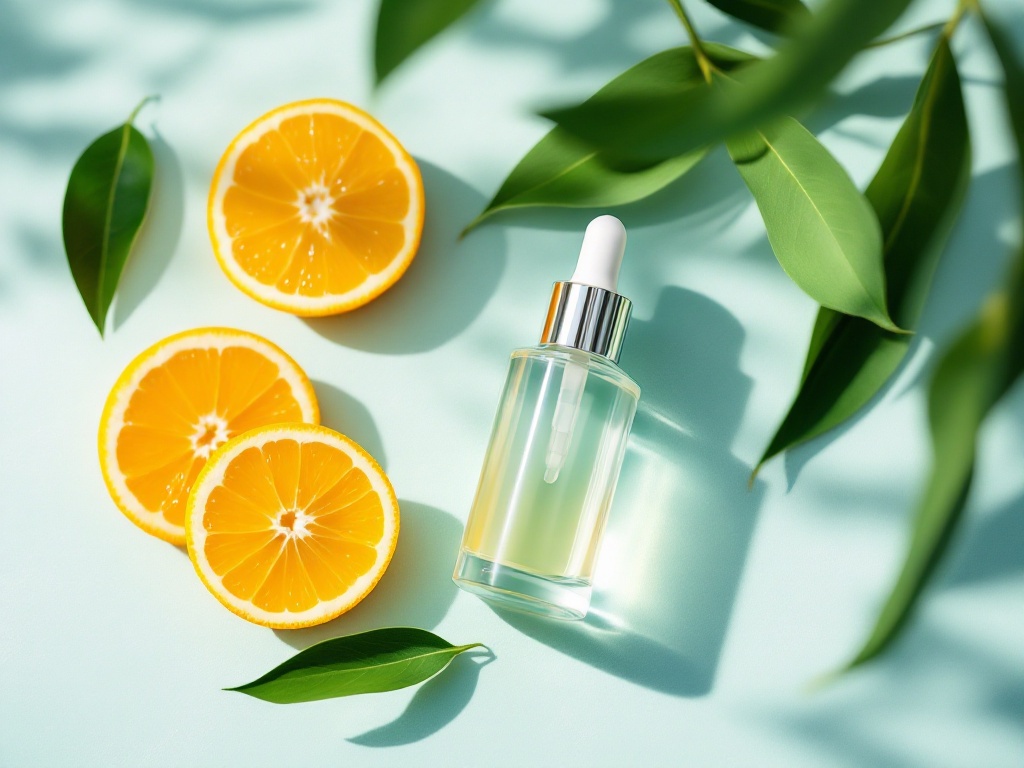
Sunscreen is the foundation of sun defense, but topical antioxidants have a real supporting role, and understanding how they fit prevents both overhyping and dismissing them.
Ultraviolet exposure generates free radicals, unstable molecules that damage skin cells, collagen, and DNA. Antioxidants such as vitamin C, vitamin E, and others neutralize some of these free radicals, reducing a portion of the oxidative damage that sunscreen alone does not catch. A well-formulated antioxidant serum applied in the morning under sunscreen can therefore add a layer of defense and, over time, help with brightness and collagen support. They also do not block UV the way sunscreen does, which is the crucial caveat.
The correct framing is complementary, not alternative: antioxidants enhance protection and aid repair, but they cannot replace a broad-spectrum sunscreen, and using them as an excuse to skip sunscreen would be a mistake. The evidence-based morning routine for sun-exposed skin is antioxidant serum first, then sunscreen, then reapplication of sunscreen through the day. Antioxidants are a worthwhile addition for those wanting to maximize protection and repair, but they are the second line behind sunscreen, never the first.
Related reading: Protecting children from sun damage.