
Field Notes · July 2, 2026 · 5 min · By Zachariah Pohl
Aloe Vera and Sunburn: What It Actually Does
The default sunburn remedy earns part of its reputation. What aloe genuinely helps, what it cannot do, and how to choose one.
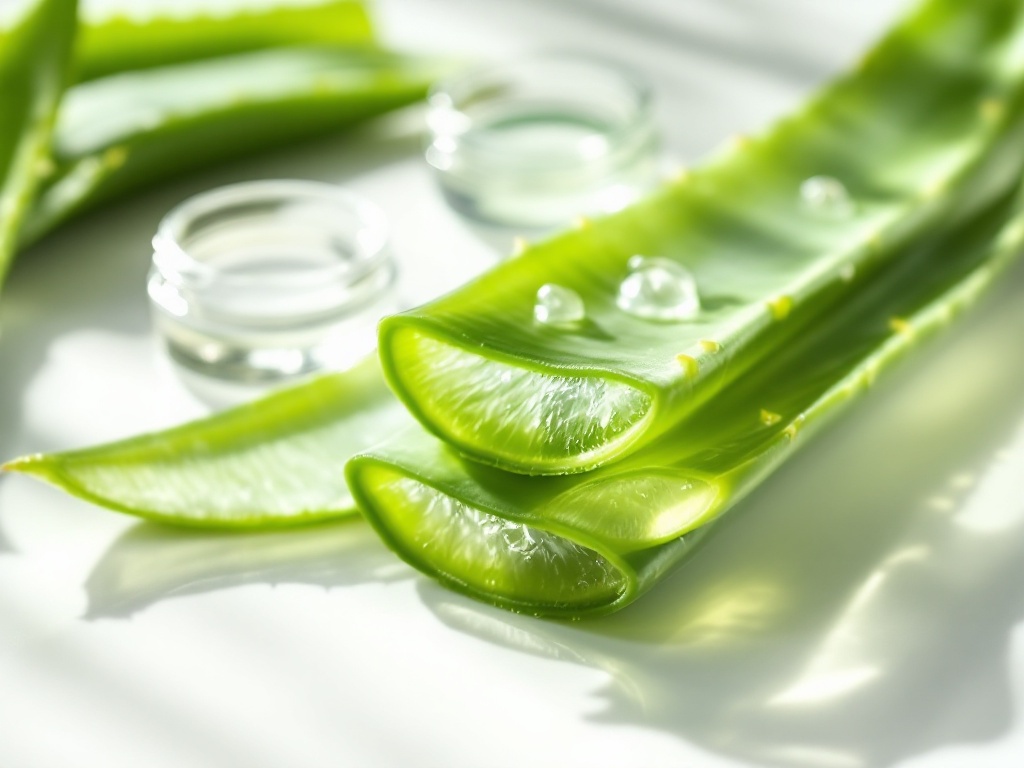
Aloe vera is the first thing most people reach for after a burn and the last thing they think to question. Its reputation is old, global, and partly earned. It is also routinely oversold, so it is worth separating what the gel genuinely does for a sunburn from what no topical can do.
The genuine part: aloe gel is mostly water held in a soothing matrix, and its immediate cooling relieves the heat sensation that makes the first 24 hours miserable. It has mild anti-inflammatory properties, adds surface hydration when burned skin is losing water fast, and its light texture will not trap heat the way heavy ointments can early on. As a comfort measure, it is a reasonable default, and comfort matters when the alternative is scratching or hot showers that make things worse.
What it cannot do
Aloe does not reverse the injury. The DNA damage that drives long-term risk happened during the exposure, and no gel undoes it. Evidence that aloe meaningfully speeds healing is thin: studies on burns show mixed results, and for sunburn specifically the honest summary is that it soothes more than it heals. It also will not prevent peeling, which is the burned layer leaving on schedule regardless of what you apply.
Choosing one matters more than the marketing suggests. Many drugstore "aloe" products are mostly water and alcohol with fragrance and green dye, and alcohol plus fragrance on a fresh burn stings and irritates. Look for a high aloe percentage, no added fragrance or menthol, and skip anything with lidocaine or benzocaine unless you know you tolerate them; sensitization on damaged skin is a real, avoidable problem. Refrigerating the bottle upgrades the cooling for free.
The reasonable role for aloe, then: a comfort tool inside a plan whose heavy lifters are cool water, moisture, hydration, and time, with medical attention for the burns that need it.
Related reading: Sunburn myths that make it worse.